
Hydraulic Systems
Designing a hydraulic system involves careful planning and consideration of various components to create a system that meets specific performance requirements of our customers and safety standards.
Read about all the steps and factors we consider when we are designing a hydraulic system
Define System Requirements
Identify system purpose, performance requirements, operating conditions, and safety standards.
Fluid Filtration
Select filtration systems to remove contaminants and protect hydraulic components.
Sealing and Leak Prevention
Choose suitable seals and gaskets to prevent leaks and ensure reliability.
Testing & Prototyping
Test designs through prototypes or simulations to confirm performance and functionality.
Component Selection
Select compatible pumps, valves, actuators, hoses, and fittings to meet system needs.
Safety Measures
Include safety features such as relief valves, emergency stops, and protective systems.
Heat Management
Manage operating temperatures with cooling systems to protect performance and lifespan.
System Layout & Sizing
Design efficient layouts and size components for required flow, pressure, and loads.
Installation & Maintenance
Ensure correct installation, testing, servicing, and maintenance procedures.
Select Fluid
Choose suitable hydraulic fluid based on viscosity, temperature, and component compatibility.
System Layout & Sizing
We can design hydraulic systems, layouts and configurations to fit your requirements.
Control Systems & Performance
Design control systems using valves, controls, and automation where required.
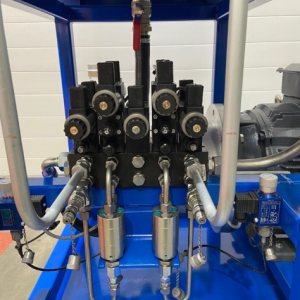
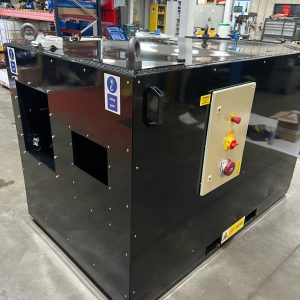
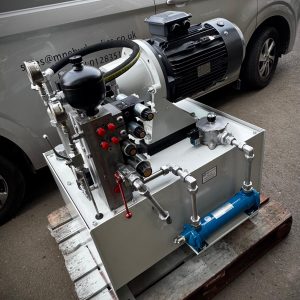
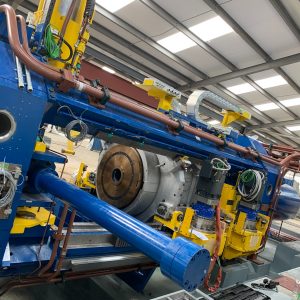
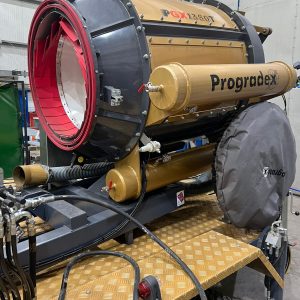
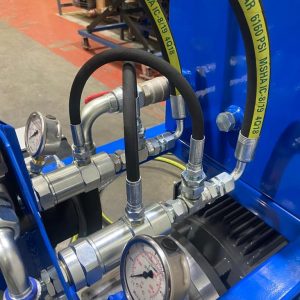
Check out some of our bespoke systems
From planning and design, through to production and assembly, all completed in-house at MNE Hydraulics.



Contact Us
Contact us today to discuss your hydraulic requirements and how we can help. Our team of hydraulic engineers is ready to provide innovative solutions and exceptional service.
Get in touch
